Chicago Weather: Your Ultimate Guide To Understanding The Windy City's Climate
Chicago Weather: Your Ultimate Guide To Understanding The Windy City's Climate - Spring in Chicago typically lasts from March to May. During this season, temperatures gradually rise, and the city begins to awaken from its winter slumber. Average temperatures range from 40°F (4°C) in early spring to 65°F (18°C) by late spring. However, weather conditions can vary significantly, with occasional snowfall in early spring and thunderstorms becoming more frequent as the season progresses. Chicago weather is a topic of fascination for locals and visitors alike. Known as the "Windy City," Chicago's climate is as dynamic and unpredictable as its famous nickname suggests. Whether you're planning a trip or simply curious about the city's weather patterns, understanding Chicago's climate is essential. From scorching summers to bone-chilling winters, this city experiences it all, making it a unique destination year-round.
Spring in Chicago typically lasts from March to May. During this season, temperatures gradually rise, and the city begins to awaken from its winter slumber. Average temperatures range from 40°F (4°C) in early spring to 65°F (18°C) by late spring. However, weather conditions can vary significantly, with occasional snowfall in early spring and thunderstorms becoming more frequent as the season progresses.
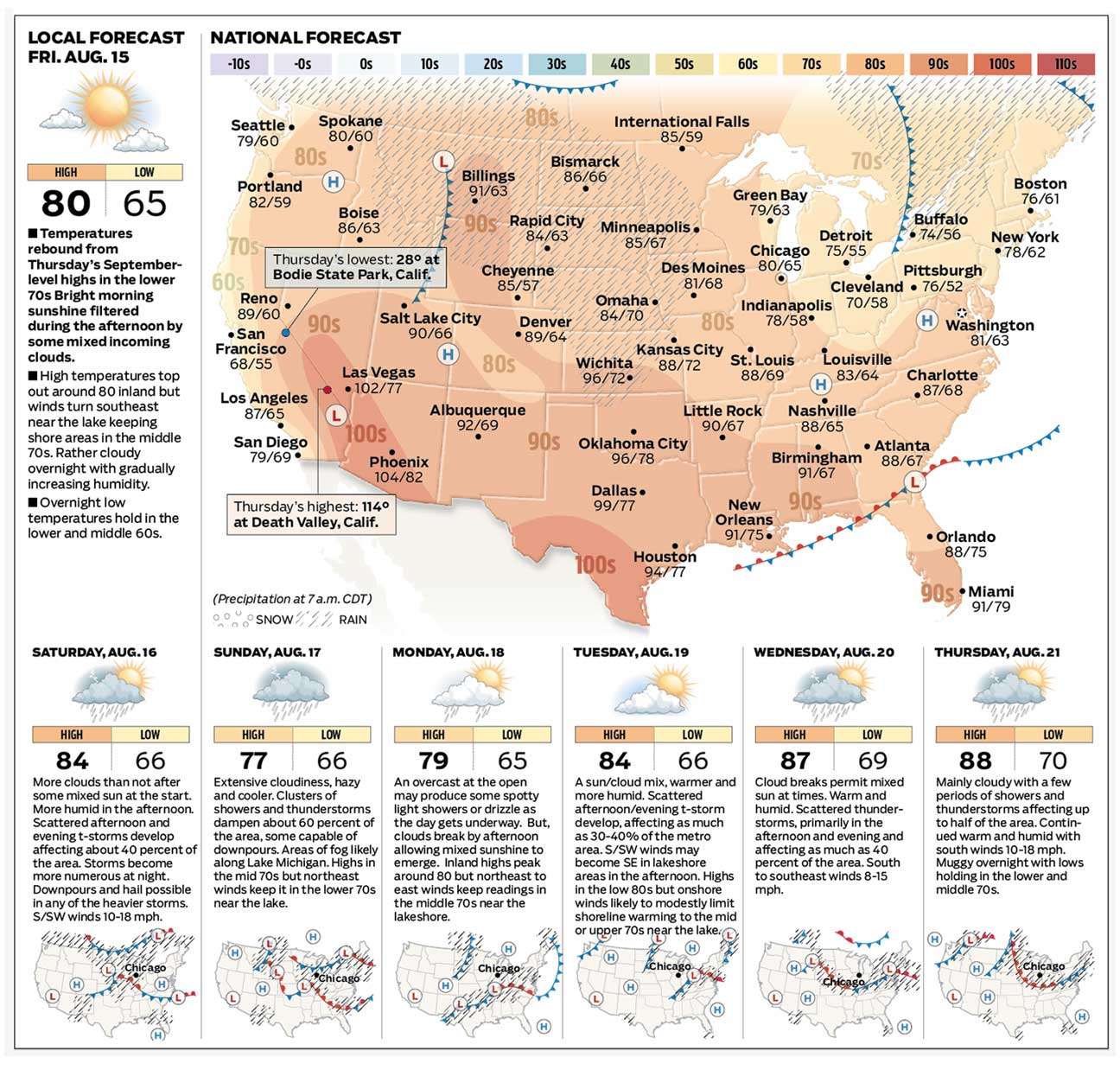
Staying informed about Chicago weather is easier than ever with the help of modern technology. Here are some resources to help you stay up-to-date:
Chicagoans are no strangers to extreme weather, and they have developed unique ways to cope with the city's climate. From bundling up in layers during the winter to seeking out shaded outdoor spaces in the summer, locals have mastered the art of adapting to their environment. Many residents also take advantage of indoor activities during inclement weather, such as visiting museums, attending concerts, or enjoying the city's vibrant dining scene.
Climate change is having a measurable impact on Chicago weather. Rising global temperatures are contributing to more frequent and intense heatwaves, heavier rainfall events, and changes in seasonal patterns. These shifts are likely to continue in the coming decades, presenting new challenges for the city's infrastructure and residents.
For example, the frequency and intensity of extreme weather events have increased in recent years. Heatwaves are becoming more common, and the city is experiencing more intense rainfall events. These trends are consistent with global climate patterns and highlight the importance of understanding how climate change may affect Chicago weather in the future.
Chicago weather is as dynamic and unpredictable as the city itself. From scorching summers to bone-chilling winters, the Windy City's climate offers a unique experience for residents and visitors alike. By understanding the city's weather patterns and preparing accordingly, you can fully appreciate all that Chicago has to offer.
The Blizzard of 1979 is often cited as one of the worst winter storms in Chicago's history. Snowfall totals reached 20 inches (51 cm), and wind gusts of up to 50 mph (80 km/h) created treacherous conditions across the city. The storm brought Chicago to a standstill, highlighting the challenges of coping with extreme winter weather.
Chicago's weather has been meticulously recorded for over a century, providing valuable insights into the city's climate patterns. Historical data shows that Chicago has experienced significant weather events, including heatwaves, blizzards, and severe thunderstorms. While the overall climate remains relatively stable, there are signs that climate change is beginning to impact the city's weather.
The Heatwave of 1995 was a devastating event that claimed the lives of over 700 people in Chicago. Temperatures soared above 100°F (38°C) for several days, and high humidity levels made the heat feel even more oppressive. This event underscored the importance of preparing for extreme heat and ensuring vulnerable populations have access to cooling centers and other resources.
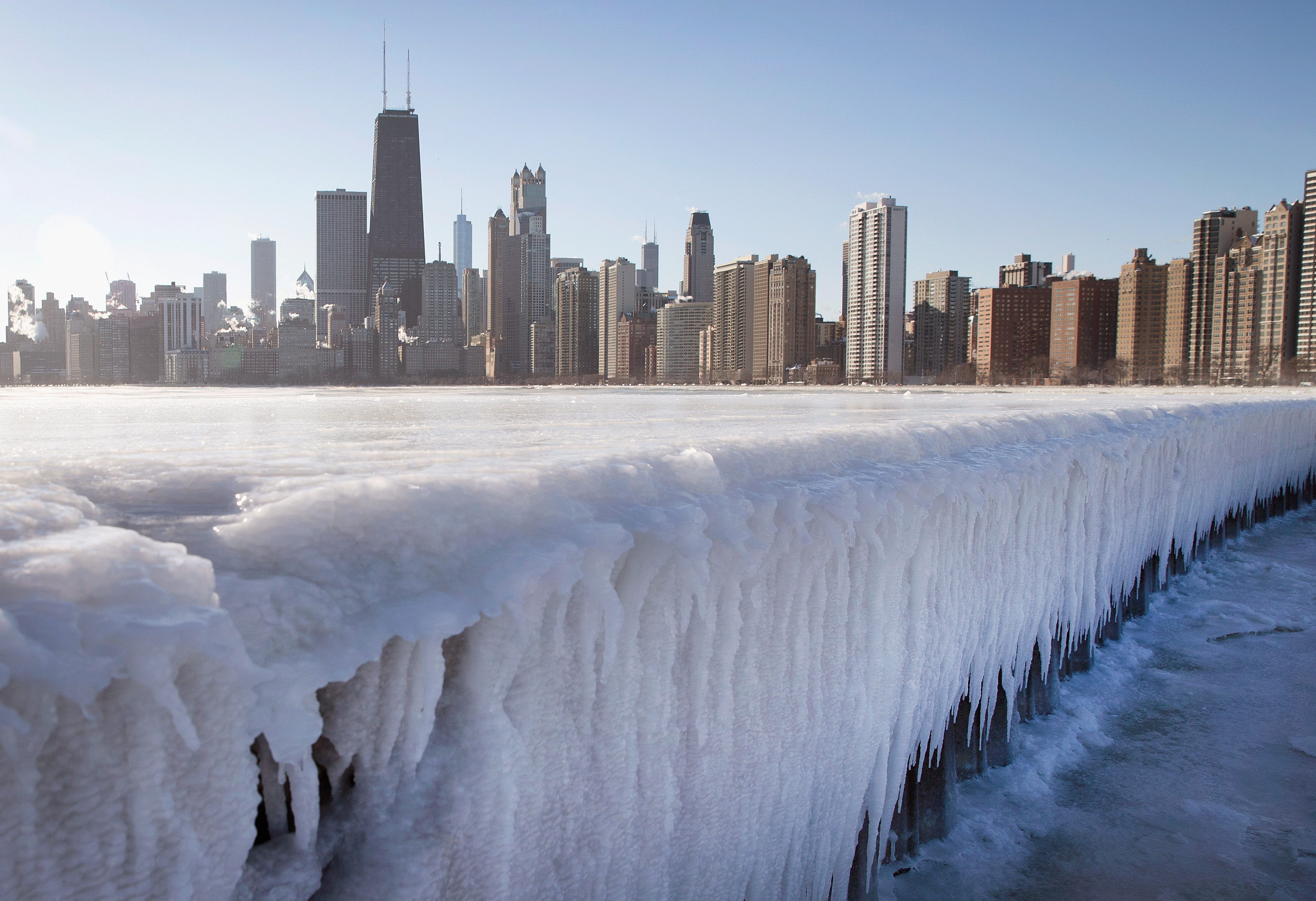
Chicago Winter weather covers the U.S. Pictures CBS News
One of the most famous extreme weather events in Chicago's history is the Great Chicago Fire of 1871. While not a meteorological event in the traditional sense, the fire was exacerbated by dry conditions and strong winds, which helped it spread rapidly through the city. This disaster led to significant changes in urban planning and fire safety regulations.
Fall, or autumn, in Chicago is a favorite season for many. Spanning from September to November, this period offers mild temperatures and stunning foliage. Average temperatures range from 70°F (21°C) in early fall to 40°F (4°C) by late fall. The crisp air and vibrant colors of the changing leaves make fall an ideal time to explore the city's parks and outdoor attractions.